
Reviewed · CANCÚN
Del Grano al Cafe Learn how to roast grind and prepare coffe
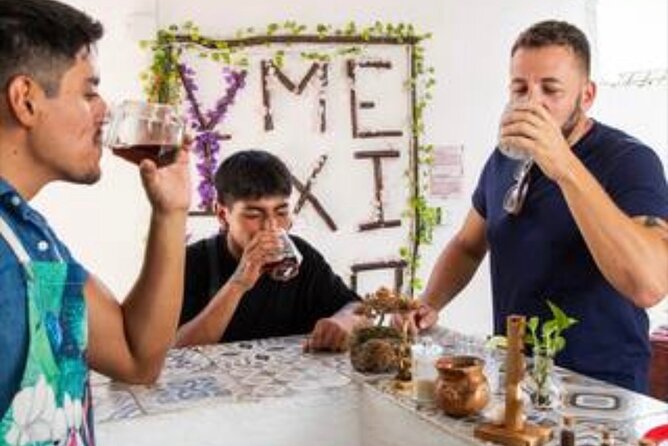
Cancun has plenty of water-based outings, but this small coffee class offers a very different way to understand Mexico. At Venado 10, Alex leads you from raw green beans to a cup you prepare yourself, while explaining coffee’s place in Mexican and ancient Mayan culture. The hands-on work, not a polished show, is the main event.
I like the small maximum of six people, which gives the class a personal feel. I also like the clear sequence: clean the beans, roast them, grind them, then use a drip filter. You are not simply handed a cup and told where it came from. You help create it.
The main consideration is the price. The initial booking amount is listed as $5.98, but you pay another $20 on site, bringing the actual cost to $25 per person. That is fair for an intimate class with a gift and certificate, but you should know the full price before booking.
In This Review
- Key details of the Cancun coffee class
- Starting at Venado 10 in central Cancun
- Green beans before the coffee turns brown
- Mexican coffee and Mayan culture in one short lesson
- Grinding the beans to match your brew
- Brewing with a drip filter
- Alex makes the small format work
- What the free gift and certificate add
- Is $25 a fair price?
- Who should book this coffee workshop?
- Practical booking notes for Venado 10
- The final call: a small, useful Cancun experience
- FAQ
- Where does the coffee class take place?
- How long does the experience last?
- Where does the activity finish?
- What is the total price per person?
- Is the class offered in English?
- How many people can join the class?
- What will I do during the class?
- What is included besides the coffee lesson?
Key details of the Cancun coffee class
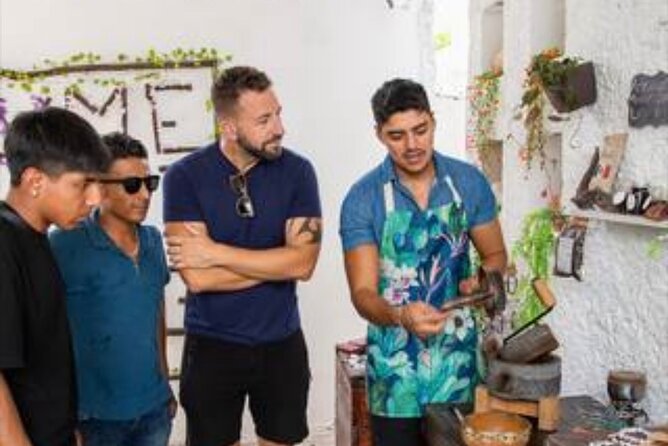
- Roast your own green beans: Each person receives a portion of green coffee beans and takes part in the roasting process.
- Follow the coffee from bean to cup: You clean, roast, grind, and prepare the coffee with a drip-filter method.
- Learn about Mexican and Mayan connections: Coffee becomes a doorway into local culture and history.
- Small group setting: The class accepts no more than six people, making it easier to ask questions and get direct help.
- Enjoy Mexican cookies: Complimentary cookies are served with the coffee you prepare.
- Leave with more than a caffeine boost: The package includes a free gift and a certificate of appreciation.
Starting at Venado 10 in central Cancun
The meeting point is Venado 10, Cancún, Q.R. 77500, Mexico. The activity begins and ends there, so you do not need to arrange a separate return transfer or wonder where the class finishes.
That fixed start and finish is useful if you are fitting the class between other plans. It is also near public transportation, and service animals are allowed. Confirmation arrives at the time of booking, so you have the meeting details in hand right away.
The setting is described in the class experience as a welcoming outdoor area. Alex has also been noted for meeting people at the doorway and helping them find the right place after arriving by Uber. That kind of practical welcome matters in Cancun, where a meeting point can otherwise feel vague.
I would still save the full address and allow a little time to find Venado 10. The supplied information does not give a hotel pickup service, so you should plan your own way to the meeting point. Since the class lasts about an hour and returns to the same location, it works best as a planned stop rather than as a loose drop-in between distant attractions.
Other Cancun days people book alongside this one:
- Chichen Itza, Cenote, and Valladolid Tour
★ 5.0 · 24,293 reviews - Chichen Itza, Cenote & Valladolid Tour with Tequila and Lunch
★ 4.5 · 15,789 reviews - Cancun: Chichen Itza, Cenote & Valladolid Tour with Lunch
★ 4.6 · 6,722 reviews
Green beans before the coffee turns brown
The class begins with the coffee in its raw form. Each participant receives a portion of green beans, which are then selected and cleaned before roasting.
This is a useful first step because it changes the way you think about coffee. Most of us meet coffee as dark beans, ground powder, or a drink in a cup. Here, you see that the familiar brown bean is the result of a process. The roasting stage is where the beans gain their color and begin to develop the smells and flavors associated with brewed coffee.
Alex explains why roasting matters while you work with the utensils provided. The class is not designed as a technical roasting certification, and the supplied information does not promise a series of roast profiles or advanced equipment. Its value is more direct: you handle the beans and see the change for yourself.
That hands-on format is especially good for curious beginners. You can ask questions as the beans change, rather than trying to remember a lecture delivered from a distance. With a maximum of six people, you should have room to take part instead of watching someone else do every step.
There is also a practical lesson here for anyone who buys coffee at home. Roasting is not a mysterious step hidden in a factory. It is a major part of how the final drink develops its aroma and taste. The class gives you a simple foundation for understanding why two coffees can smell and taste different even before brewing.
Mexican coffee and Mayan culture in one short lesson
Coffee provides the theme, but the class also places it in a Mexican setting. Alex discusses coffee’s importance in Mexico and its connection with ancient Mayan cultures.
You should keep the scope in mind. This is a one-hour coffee workshop, not a full history class or an archaeological tour. Still, that cultural layer gives the activity more meaning than a generic cooking demonstration. You are learning about a familiar drink through the place you are visiting.
I like this approach because food and drink often explain a country in a more accessible way than a long museum label. The class connects the physical work of roasting and brewing with Mexican culture, so you leave with a better sense of how coffee fits into the local story.
The cultural explanation is also one of the reasons this class suits people who have already seen Cancun’s major sights. If you want a quieter activity that stays close to everyday life, coffee offers a useful change of pace. You are not being rushed from one photo stop to another. You spend an hour focused on one local product and the traditions around it.
The information provided does not identify the specific region where the beans are grown or name individual Mayan communities connected with coffee production. If those details matter to you, ask Alex during the class. The class does clearly include discussion of Mexican coffee and Mayan culture, but it should not be sold as a detailed farm visit or regional tasting tour.
Grinding the beans to match your brew
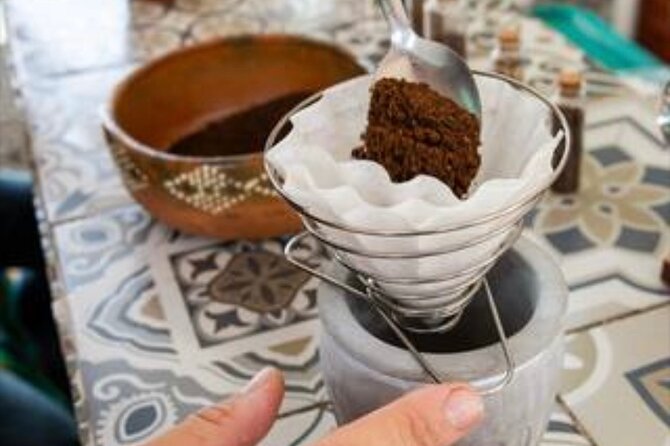
Once the beans are roasted, the class moves to grinding. This is where the experience becomes especially useful for home coffee drinkers.
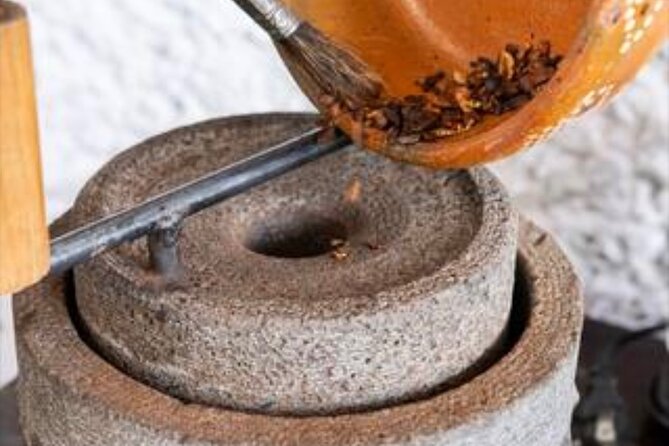
You learn how to grind the beans and how the coarseness affects the final flavor. The basic idea is important: coffee grounds need to suit the method you use. The class focuses on drip filtering, so the grinding discussion relates directly to the drink you are about to prepare.
This is a good point in the process to pay attention and ask questions. The roasting is memorable because you see the beans change, but grinding is the step you are most likely to repeat at home. You can use the lesson when adjusting your coffee preparation later.
The supplied details do not state which type of grinder or specific setting is used. That means you should expect an introduction to grind size rather than a detailed equipment workshop. Still, the order makes sense. You roast the beans first, then grind them, then prepare the coffee, following the same broad path from raw ingredient to finished drink.
Because you do the work yourself, the final cup has a clear connection to what you just learned. Even if you are new to coffee, you can see how each stage contributes to the result.
A completely different sort of day out of Cancun:
- Early morning Chichen Itza Tour: Cenote and Tequila Tasting
★ 5.0 · 6,657 reviews - Private Roundtrip Transportation from Cancun Airport to Cancun Hotel Zone
★ 5.0 · 5,086 reviews - Cancun ATV Jungle Adventure, Ziplines, Cenote and Tequila Tasting
★ 4.5 · 4,873 reviews - Viator Exclusive: Tulum Ruins, Reef Snorkeling, Cenote and Caves
★ 5.0 · 4,242 reviews
Brewing with a drip filter
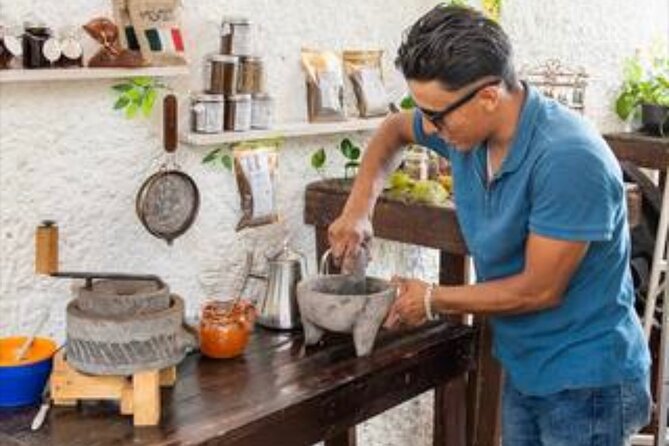
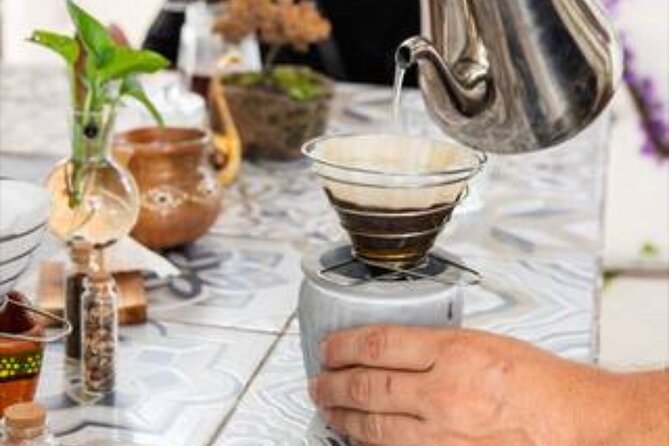
The final working stage uses a drip-filter method. You prepare the coffee you have selected, cleaned, roasted, and ground.
The class presents this as one of several ways to make coffee, but focuses on drip filtering for this session. That is a sensible choice for a short workshop. Instead of trying to cover every method, Alex can show one complete process from start to finish.
Your finished drink is the main menu item: coffee brewed by yourself. The class also includes Mexican cookies to accompany it. The cookies add a small local touch and give you something to enjoy while tasting the result.
The reviews supplied for this experience place strong emphasis on the coffee itself being excellent and on the satisfaction of finishing with a delicious cup. That makes the final tasting more than a token sample. It is the payoff for the work you have done throughout the hour.
Still, keep expectations sensible. This is not described as a large tasting session with several coffees, brewing methods, or formal flavor comparisons. You prepare one coffee using the featured method. If your goal is to compare beans from several regions, another kind of tasting would suit you better.
Alex makes the small format work
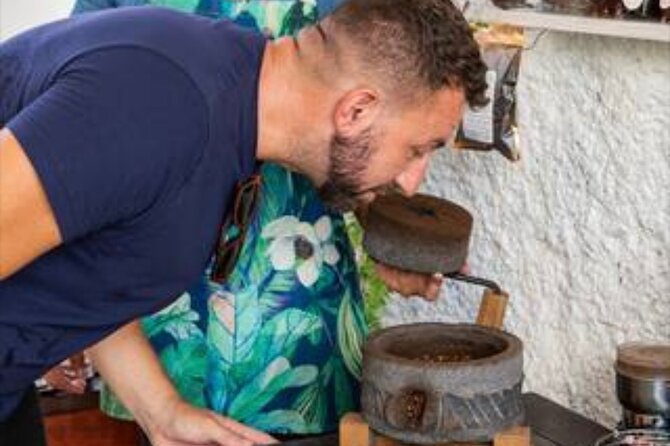
Alex is the named host and instructor, and his role is central to the experience. He guides the process, explains the coffee, and helps you through each stage.
The strongest praise centers on his teaching style and personal attention. He is described as attentive, professional, and easy to follow. The small setting allows him to stay involved as you roast, grind, and prepare the coffee instead of leaving you to work through the steps alone.
That matters for a hands-on class. Coffee preparation can sound simple until you are deciding how to handle the beans, how finely to grind them, or how to use the filter. Direct instruction helps keep the process relaxed and enjoyable.
The class is offered in English. That makes it practical for English-speaking visitors, while the description also includes Spanish wording about the workshop. If you need another language, the supplied information does not confirm availability, so ask before booking.
The class has received a five-star rating from 10 reviews, with 100 percent recommending it. That is a very small sample, so I would treat it as encouraging rather than final proof. The repeated praise is more useful than the number itself: people consistently value Alex’s warmth, the intimate format, the cultural explanation, and the chance to make the coffee personally.
What the free gift and certificate add
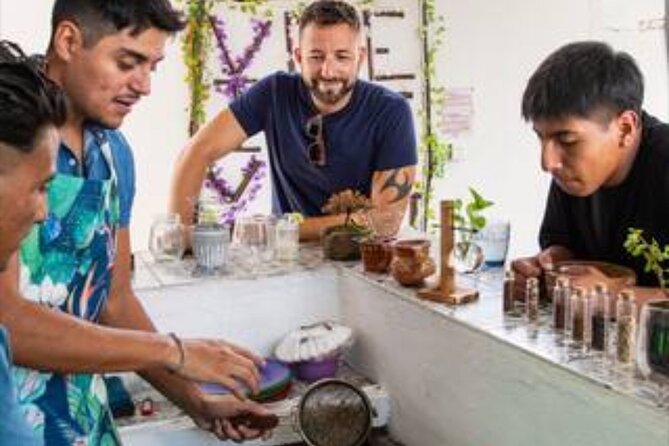
The class includes a free gift and a certificate of appreciation. The information does not specify what the gift is, so do not book it expecting a particular item.
Even without knowing the exact souvenir, the extra can be a nice reminder of the activity. A coffee class is more memorable when you leave with something connected to the lesson rather than only a finished drink. The certificate also gives the hour a light, playful sense of completion.
These extras should not be the main reason you book. The real value is the guided process and the cultural context. Consider the gift and certificate a bonus, not a substitute for a longer workshop or a coffee farm visit.
Is $25 a fair price?
The listed booking amount is $5.98, but the class information clearly says to pay another $20 on site. Your total cost is therefore $25 per person.
At that price, I see reasonable value if you want a private-feeling activity with direct instruction. You receive the coffee lesson, your own portion of beans to work with, the prepared drink, Mexican cookies, a gift, and a certificate. The six-person limit is important here. You are paying for access to a small class, not a crowded demonstration.
The value is less clear if you only want a quick cup of coffee. You can find coffee more cheaply elsewhere in Cancun, and the class takes about an hour. You are paying for the process, the teaching, and the cultural conversation.
I would compare it with other short Cancun activities by asking what you want from your time. For a simple, low-cost cultural stop, $25 is sensible. For a full-day excursion, a farm visit, or a broad coffee tasting, this class does not promise enough to replace those experiences.
Book with the full $25 total in mind. That avoids the common mistake of judging the class by the smaller upfront booking amount.
Who should book this coffee workshop?
I would recommend it most strongly to:
- Coffee drinkers who want to understand roasting and grind size
- Couples looking for a small activity they can do together
- Cancun residents who want a local workshop close to public transportation
- People who prefer direct contact with a host over a large organized tour
- Visitors interested in Mexican culture through food and drink
- Beginners who have never handled green coffee beans
It also works well for people who want a short activity near the center of Cancun. The one-hour duration leaves the rest of your day open.
I would be more cautious if you want a formal barista course, a multi-bean tasting, or a visit to a coffee-growing area. None of those features is included in the supplied details. The class is an introduction with a strong hands-on element, not an advanced coffee program.
The experience provider also offers a handmade tortilla workshop. That is not part of the coffee class, but it may appeal to you if you want to add another food-based activity with the same host. Treat it as a separate booking unless the provider confirms otherwise.
Practical booking notes for Venado 10
The class is mobile-ticket friendly, and confirmation is provided at booking. The activity starts and ends at Venado 10, with no hotel transportation listed.
The maximum group size is six. That is one of the most important practical details because it affects the feel of the class. A small group should make it easier to see the process, ask Alex questions, and get hands-on time with the coffee.
Free cancellation is available if you cancel at least 24 hours before the local start time. Cancellations made less than 24 hours before the start are not refunded, and changes within that window are not accepted. If your Cancun plans are still shifting, keep that cutoff in mind.
The activity is near public transportation, and service animals are allowed. The supplied information does not state the exact duration of each individual roasting or brewing step, so expect the advertised total of about one hour rather than a longer open-ended class.
The final call: a small, useful Cancun experience
I would book this class if you want to do something personal and practical in Cancun, especially if coffee is part of your daily routine. Roasting green beans, grinding them, and filtering the coffee yourself gives the hour a clear purpose. Alex’s attentive instruction and the six-person limit add real value.
The best reasons to book are the hands-on process, the Mexican and Mayan cultural context, and the chance to finish with coffee you prepared yourself. Cookies, a souvenir, and a certificate make the experience feel complete.
The main warning is simple: budget for the actual $25 total, not just the $5.98 booking amount. Also, choose another activity if you want a coffee farm visit, advanced training, or several different coffees to compare.
For a compact introduction to Mexican coffee in a friendly small-group setting, this is an easy recommendation. It gives you something to do, something to taste, and a better understanding of what sits behind the brown beans in your kitchen.
FAQ
Where does the coffee class take place?
The class takes place at Venado 10, 77500 Cancún, Q.R., Mexico.
How long does the experience last?
The activity lasts approximately one hour.
Where does the activity finish?
The class ends back at the meeting point at Venado 10.
What is the total price per person?
The booking amount is listed as $5.98, with another $20 paid on site. The total is $25 per person.
Is the class offered in English?
Yes. The experience is offered in English.
How many people can join the class?
The activity has a maximum of six participants.
What will I do during the class?
You will select and clean green coffee beans, roast them, grind them, and prepare coffee with a drip-filter method.
What is included besides the coffee lesson?
The class includes Mexican cookies, a free gift, and a certificate of appreciation. Free cancellation is available up to 24 hours before the start time for a full refund.
Just added around Cancun
- Tequila Master Class & Gourmet Tacos- Exclusive Experience Cancun★ 5.0 · 3 reviews
- Cancun Airport Shared Transfer★ 4.5 · 3 reviews
- Full Day Tour of Isla Holbox and Isla Pasión with Cenote★ 4.0 · 3 reviews
- Amazing adventure! Kaan Luum Lagoon, 2 Cenotes Tour★ 4.5 · 3 reviews
- Whale Shark from Cancun, Riviera Maya and Tulum All Inclusive★ 5.0 · 3 reviews
- 4X1 Tour to Tulum, Coba, Cenote and Playa Del Carmen★ 4.5 · 3 reviews
- Isla Mujeres Full Day Tour on Yacht with Snorkel and Buffet★ 4.5 · 3 reviews
- Cozumel by transparent boat and snorkeling in the sky with lunch.★ 5.0 · 3 reviews