
Reviewed · SCUBA DIVING
Open Water Diver course PADI in Cancun
Learning to breathe underwater is the real reward here, but this is not a quick resort tryout. The Cancun PADI Open Water course takes about three days, moving from theory and pool practice to four ocean sessions where you use the skills for real. The certification lets you descend to 18 meters worldwide.
I like the full course structure, including the digital manual, equipment, pool work, instructor-led training, and certification fees. I also like the calm, patient teaching style associated with Patrick and Elena, especially for beginners who may need time to get comfortable with the equipment. The main consideration is the price: at $600 per person, this is a serious course purchase, not a casual half-day activity.
In This Review
- Key points to know before booking
- Why this Cancun course is more than a resort introduction
- From theory to pool work
- Diversland and Blue Dive on the course route
- Four open-water sessions and the 18-meter limit
- How the three-day schedule affects your holiday
- What the $600 price includes
- The human side of learning to scuba
- Who will get the most from this course
- Booking, pickup, and cancellation details
- Should you book the Cancun PADI course?
- FAQ
- How long does the PADI Open Water course take?
- What certification will I receive?
- Is equipment included?
- Is hotel pickup available?
- What time does the course start?
- What is the minimum age?
- Can I scuba dive close to my flight?
Key points to know before booking
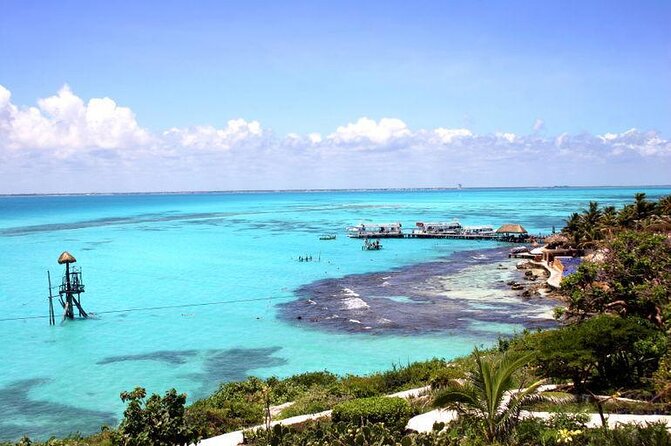
- Three stages of training: Complete theory, confined-water practice, and four open-water sessions.
- PADI certification included: Finish the course and receive the first-level Open Water Diver qualification, valid worldwide to 18 meters.
- Patient instruction: Patrick and Elena are named instructors, with multilingual professional instruction available.
- Hotel pickup included: Transport is offered from hotels in Cancun, Playa del Carmen, and Riviera Maya.
- Small maximum group: The course accepts no more than 15 participants, though your actual group may be smaller.
- Plan around your flight: You should not scuba dive within 24 hours of flying.
Why this Cancun course is more than a resort introduction
Many visitors to Cancun want to see what lies below the surface, but a first-time underwater session and a full PADI course are different products. This experience is for learning the basic principles, practicing essential skills, and earning a recognized certificate. You are not simply being led around for a short look at the sea.
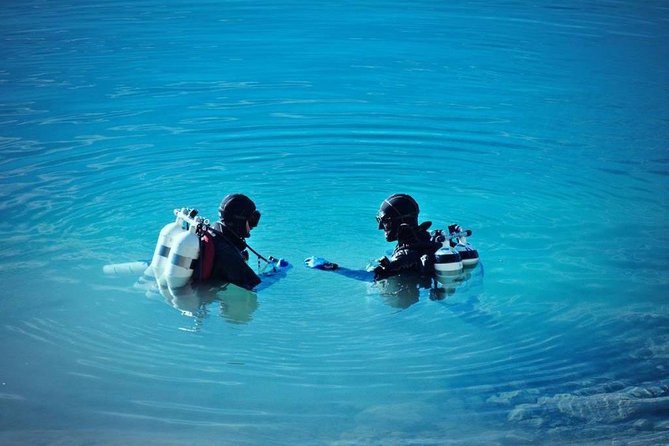
The course covers the three building blocks required for certification. First comes knowledge development, completed online, independently, or in a classroom. Then you practice in a pool or shallow confined water. Finally, you complete four open-water sessions and show that you can use your skills outside the training setting.
That structure matters. The pool work gives you a controlled place to understand the equipment and basic procedures before dealing with the open sea. If you feel nervous at first, that stage is where you can slow down, ask questions, and repeat a skill.
The course is also taught by a certified PADI instructor, rather than relying on a guide with only informal experience. Patrick is specifically associated with the later part of the course, while Elena is named as an instructor at the beginning. The teaching team includes multilingual instructors, and English is offered for the activity.
More dive trips off Cancun:
- 5-in-1 Cancun Snorkeling: Turtles, Reef, Musa, Shipwreck, Cenote
★ 4.5 · 1,678 reviews - Diving in the Mexican Caribbean for Beginners | 2 Tanks 2 Dives | All Inclusive
★ 5.0 · 431 reviews - Two Tanks Scuba Diving for Beginners in Cancun
★ 5.0 · 233 reviews
From theory to pool work
The first part of the course is knowledge development. You can complete this through online study, independent work, or classroom lessons. The material explains the basic principles and theory of scuba, so you understand why the equipment and procedures matter rather than simply copying movements.
The digital manual is included, as are the course fees and taxes. That makes the $600 price easier to assess because several costs that can appear separately in other programs are already bundled into the experience.
Pool or confined-water practice follows. Here you learn basic skills in a pool or another shallow, controlled setting. The point is not sightseeing. It is to build comfort and control before you move into open water.
This is the part where a patient instructor can make a large difference. Patrick is described as especially calm with nervous beginners, helping one participant become comfortable enough to pass. That is useful context if you are worried about breathing through a regulator, managing your gear, or handling the first moments underwater.
You should still expect to participate actively. A certification course requires more attention than a simple introductory session. You will need to study, follow instructions, practice the required skills, and complete the open-water work.
Diversland and Blue Dive on the course route
The itinerary lists Diversland and Blue Dive as the two stops. The supplied details do not explain a separate sightseeing program at either location, so you should think of these names as course-related meeting or operating points rather than independent attractions.
Diversland Mexico is the experience provider. It handles the course arrangements, instruction, equipment, transportation, and certification process. This is also where the named staff connections come in. Eugenia is associated with organizing the details, while Demetri is identified as part of the team. Patrick and Elena provide the strongest instructor references in the available information.
Blue Dive is the second listed stop. The course information does not specify which particular skills or ocean sessions take place there, so ask for the exact schedule when your booking is confirmed. That is especially sensible if you want to know how much time will be spent at each location or how the boat transfer fits into the day.
The lack of a detailed hour-by-hour plan is not unusual for a water-based course, since timing can depend on availability and operating conditions. Still, you should confirm the meeting arrangements, daily start times, and sequence of pool and ocean work before you begin.
Four open-water sessions and the 18-meter limit
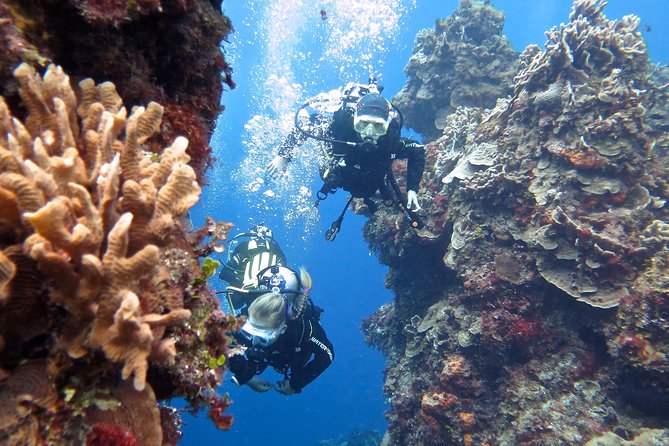
After theory and confined-water practice, you complete four open-water sessions. These are the practical heart of the qualification. You take the skills from the pool into the sea and work under the direction of your instructor.
Boat transportation is included, along with scuba equipment. You do not need to arrange your own tanks, regulators, or other standard course gear. Bottled water is also supplied, which is a small but useful touch during a full morning or day around the water.
The completed PADI Open Water Diver certificate allows you to scuba dive to a maximum depth of 18 meters. It is the first level of PADI certification and is recognized worldwide. That makes this course more useful than a one-time Cancun activity if you expect to continue scuba diving on future trips.
The certificate does not mean you can skip preparation in the future. You will still need to follow local rules, use suitable equipment, and dive within your training and comfort level. The course gives you an internationally recognized starting qualification, not unlimited experience.
A completely different sort of day out of Cancun:
- Chichen Itza, Cenote, and Valladolid Tour
★ 5.0 · 24,293 reviews - Chichen Itza, Cenote & Valladolid Tour with Tequila and Lunch
★ 4.5 · 15,789 reviews - Cancun: Chichen Itza, Cenote & Valladolid Tour with Lunch
★ 4.6 · 6,722 reviews - Early morning Chichen Itza Tour: Cenote and Tequila Tasting
★ 5.0 · 6,657 reviews
How the three-day schedule affects your holiday
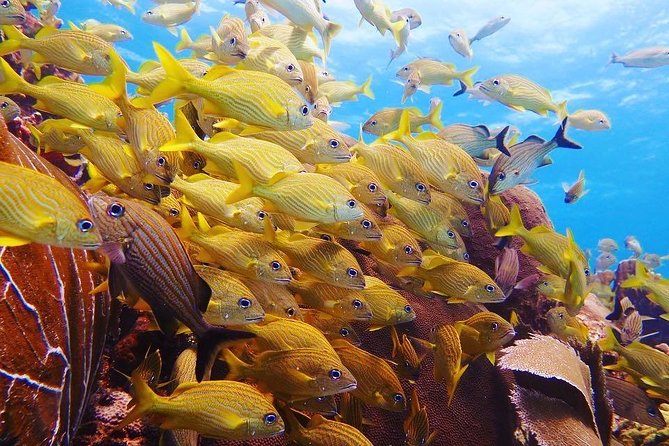
The activity lasts approximately three days, with an 8:30 am start time. Hotel pickup and drop-off are offered from hotels in Cancun, Playa del Carmen, and Riviera Maya, so you may not need to arrange a taxi or find your way to a shop early in the morning.
That convenience is valuable, but you should protect enough space in your itinerary. This is not the kind of activity to squeeze between a late arrival and a packed sightseeing plan. You need time for study, pool practice, four ocean sessions, and the possibility that the course schedule shifts.
The most important scheduling rule concerns air travel. Scuba diving within 24 hours of flying is not recommended. If you are leaving Mexico soon, place the course early enough in your vacation to leave that buffer before your flight home.
You also complete a health questionnaire before entering the water. Conditions such as asthma or heart problems may prevent participation, and you should consult your doctor if you have a relevant medical concern. The minimum age is 12.
What the $600 price includes
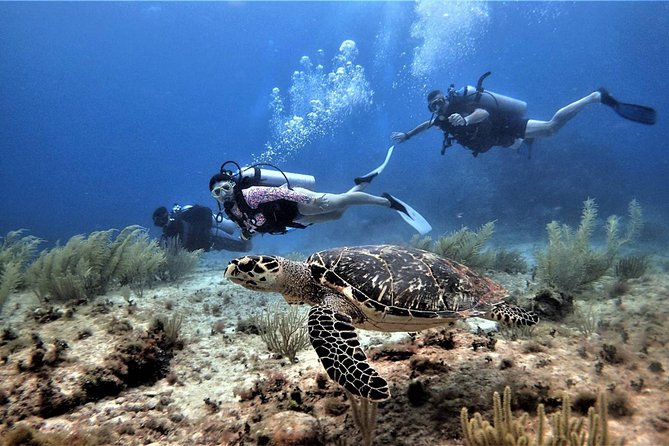
At $600 per person, the course costs more than a short introductory scuba activity. The comparison is not quite fair, though, because you are paying for instruction and a certification pathway over three days.
The package includes:
- Theory classes and practice in the pool
- Four open-water sessions
- Scuba equipment
- Boat transportation
- Digital manual
- PADI Open Water Diver certification
- Hotel pickup and drop-off
- Bottled water
- All fees and taxes
- A professional certified multilingual instructor
The certification is the key value. If you only want to see underwater life once, a shorter experience may be enough. If you want a qualification that you can use around the world, the additional training and cost make more sense.
The price also removes several common sources of uncertainty. Equipment rental, boat transportation, taxes, and the certification fee are included. Diving insurance is not included, though it is available as an optional extra. You should ask about its cost and coverage before deciding to go without it.
Group discounts are offered, so families or friends booking together may want to ask for the current rate. The maximum group size is 15, which gives the operator a clear limit. A smaller group can make instruction feel more personal, but you should not assume that one-to-one teaching is guaranteed.
The human side of learning to scuba
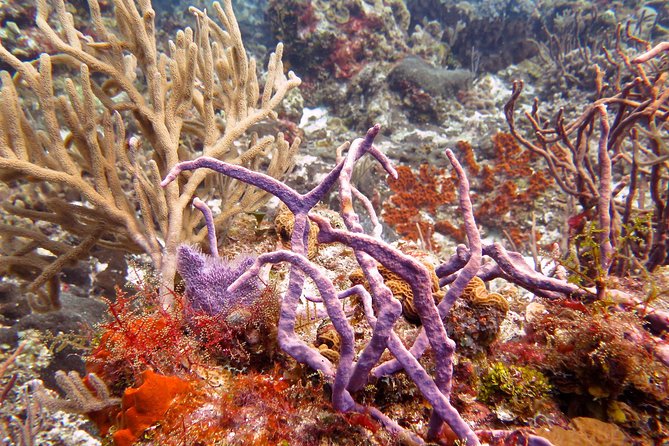
The strongest feature of this course is its attention to comfort and pace. Beginners can feel awkward in the water, especially when learning to control breathing, clear equipment, or respond to instructions. A hurried instructor can turn a manageable concern into a reason to quit.
Patrick is repeatedly identified as patient and caring, with a knack for helping nervous participants settle down. Elena is praised for her work at the start of the course. The wider team includes Eugenia, who organizes the details, and Demetri, who is part of the operating staff. The owner is described as speaking five languages, while instructors are available in multiple languages.
Those details matter because a course is partly technical and partly personal. You need clear explanations, but you also need an instructor who notices when you are overwhelmed. The available information suggests that the teaching style is a major strength.
Still, no course can remove every challenge. You must be comfortable enough to continue after pool training, and certification depends on completing the required work. If you are unsure about your health or ability to take part, ask a medical professional before booking rather than hoping the issue will resolve on the day.
Who will get the most from this course
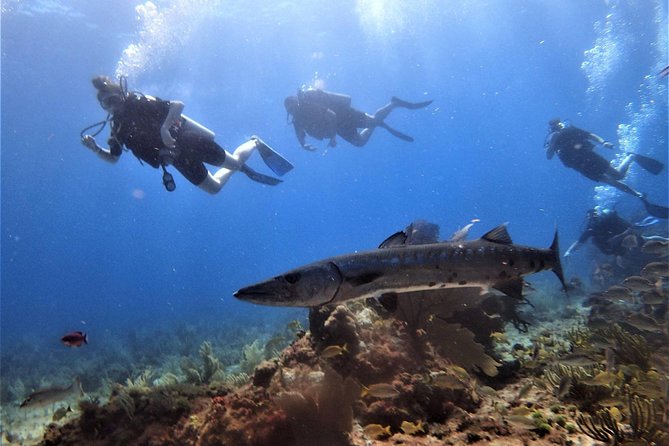
This experience suits you if you want a real entry-level qualification, not just a brief underwater introduction. It is also a good fit if you prefer a structured three-day program with instruction, equipment, transportation, and certification handled together.
Families with participants aged 12 and older can consider it, provided everyone meets the health requirements. Friends and couples may benefit from group discounts, while solo beginners can appreciate the small maximum group and patient teaching approach.
You should think twice if your Cancun schedule is short or if you fly home within 24 hours of the available course dates. The program needs a meaningful block of time, and the flight rule can make last-minute planning difficult.
You should also compare the value against your plans after Mexico. If you expect to scuba again, the worldwide PADI certificate may justify the price. If this is a one-time curiosity, a shorter introductory session may fit your budget better.
Booking, pickup, and cancellation details
Pickup is offered from hotels throughout Cancun, Playa del Carmen, and Riviera Maya. The stated meeting point is in Cancun, Quintana Roo, and the activity ends back at the meeting point after the daily program.
The start time is 8:30 am. Confirmation is sent within 48 hours of booking, subject to availability, so do not assume the booking is final until you receive it.
You can cancel for a full refund if you do so at least 24 hours before the local start time. Cancellations or changes made inside that 24-hour window are not accepted for a refund.
Should you book the Cancun PADI course?
Book it if you want to leave Cancun with a recognized qualification and you value patient instruction, included equipment, hotel transport, and a clear path from classroom theory to open-water practice. The four ocean sessions give you a proper introduction rather than a quick taste.
At $600, it is best viewed as a three-day training investment. Confirm the exact schedule for Diversland and Blue Dive, ask about optional diving insurance, and leave at least 24 hours before your flight. If those details fit your holiday, this course offers a practical way to begin scuba with steady support and a certificate you can use beyond Mexico.
FAQ
How long does the PADI Open Water course take?
The course lasts approximately three days. It includes theory, confined-water practice, and four open-water sessions.
What certification will I receive?
You will receive the PADI Open Water Diver certification. This is the first PADI certification level and allows you to scuba dive to 18 meters worldwide.
Is equipment included?
Yes. The course includes scuba equipment and a digital manual.
Is hotel pickup available?
Yes. Pickup and drop-off are offered from hotels in Cancun, Playa del Carmen, and Riviera Maya.
What time does the course start?
The stated start time is 8:30 am.
What is the minimum age?
The minimum age is 12 years.
Can I scuba dive close to my flight?
Scuba diving within 24 hours of flying is not recommended. You must also complete a health questionnaire before participating, and some medical conditions may prevent you from taking part.
Just added around Cancun
- Tequila Master Class & Gourmet Tacos- Exclusive Experience Cancun★ 5.0 · 3 reviews
- Cancun Airport Shared Transfer★ 4.5 · 3 reviews
- Full Day Tour of Isla Holbox and Isla Pasión with Cenote★ 4.0 · 3 reviews
- Amazing adventure! Kaan Luum Lagoon, 2 Cenotes Tour★ 4.5 · 3 reviews
- Whale Shark from Cancun, Riviera Maya and Tulum All Inclusive★ 5.0 · 3 reviews
- 4X1 Tour to Tulum, Coba, Cenote and Playa Del Carmen★ 4.5 · 3 reviews
- Isla Mujeres Full Day Tour on Yacht with Snorkel and Buffet★ 4.5 · 3 reviews
- Cozumel by transparent boat and snorkeling in the sky with lunch.★ 5.0 · 3 reviews
Scuba Diving, compared.
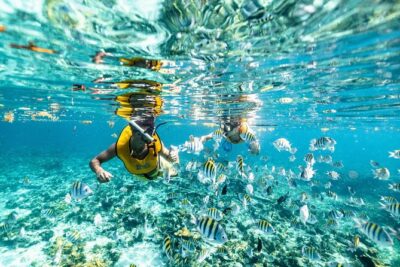
5-in-1 Cancun Snorkeling: Turtles, Reef, Musa, Shipwreck, Cenote
Read our review →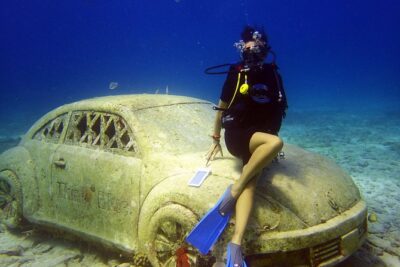
Diving in the Mexican Caribbean for Beginners | 2 Tanks 2 Dives | All Inclusive
Read our review →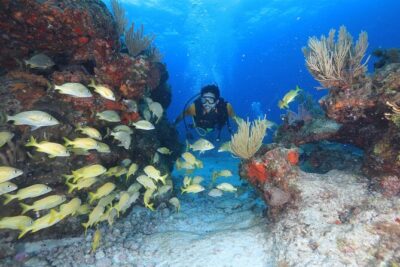
Two Tanks Scuba Diving for Beginners in Cancun
Read our review →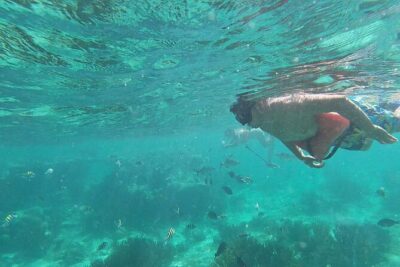
Isla Mujeres Snorkeling Adventure at the Underwater Museum
Read our review →
Jungle Tour & Snorkel at Punta Nizuc Reef , Underwater museum
Read our review →
Scuba Diving Under Water Museum and Reef for beginners
Read our review →
Browse the lists this tour appears in